
"coffee from subtropics"
2000 article(s) found

Introduction of Guatemala Coffee Manor LaTisha Manor Guatemala Cloud Manor
Located in the tropics, there are many volcanoes in the territory, the northern and eastern coastal plains have a tropical rain forest climate, and the southern mountains have a subtropical climate. The year is divided into two dry and wet seasons, with the wet season from May to October and the dry season from November to April of the following year. The annual precipitation is 2000-3000 mm in the northeast and 500-1000 mm in the south. Forests account for half of the country's area and are the best latitude for coffee production.

Introduction to the flowering and planting environment of Yunnan Hongguang coffee tree and the cost of planting beans
Coffee fruit contains two seeds, namely coffee beans. The two beans are connected face to face with each other on one side of the plane. Each coffee bean has a thin outer film, which is called silver skin, and its outer layer is covered with a yellow outer skin, called endocarp. The whole coffee bean is wrapped in a sticky pulp to form coffee pulp, which is soft and sweet.

Nicaraguan Maraka Dura Coffee Flavor description, Grinding characteristics, introduction to the taste of varieties
This is because Guatemala is located in the tropics, the northern and eastern coastal plains have a tropical rain forest climate, and the southern mountains have a subtropical climate, with two dry and wet seasons a year, with the wet season from May to October and the dry season from November to April of the following year. The central plateau is also the cultural center of Guatemala, where temperatures are mild all year round at an altitude of 1300 to 1800 meters, with daily temperatures between 18 and 28 ℃.

Introduction to the Flavor and Taste Manor production area of Coffee growing area in Guatemala
Guatemala is located in the tropics, the northern and eastern coastal plains have a tropical rain forest climate, the southern mountains have a subtropical climate, the year is divided into two dry and wet seasons, with the wet season from May to October and the dry season from November to April of the following year. The central plateau is also the cultural center of Guatemala, where temperatures are mild all year round at an altitude of 1300 to 1800 meters, with daily temperatures between 18 and 28 ℃, and higher in January

The flavor and taste characteristics of Guatemalan coffee manor with rich volcanic soil introduce Latisa Villa.
This is because Guatemala is located in the tropics, the northern and eastern coastal plains have a tropical rain forest climate, and the southern mountains have a subtropical climate, with two dry and wet seasons a year, with the wet season from May to October and the dry season from November to April of the following year. The central plateau is also the cultural center of Guatemala, where temperatures are mild all year round at an altitude of 1300 to 1800 meters, with daily temperatures between 18 and 28 ℃.

The advantages and disadvantages of coffee to wake up the brain to help the college entrance examination
What's coffee? The word Coffee comes from a small town in Ethiopia called kaffa. In Greek, Kaweh means strength and passion. Tea, coffee and cocoa are called the three major drinks in the world. Coffee tree is a small evergreen tree of Rubiaceae, native to Ethiopia. Small evergreen trees or shrubs of tropical and subtropical regions. Leaves long ovate, flowers
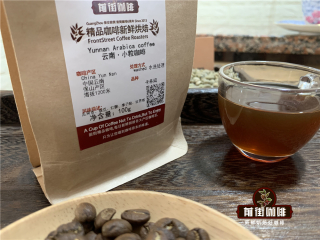
Where is the best coffee producing area in Yunnan? what is the taste of Yunnan small coffee beans?
Professional coffee knowledge exchange more coffee bean information please follow the coffee workshop (Wechat official account cafe_style) Qianjie-Yunnan Baoshan Coffee introduction small grain coffee is suitable for growing in the mountains with an elevation of 800m to 1800m, if the altitude is too high, it will taste sour and too low will taste bitter. Most of the small grains of coffee are planted at altitude

General knowledge of Fine Coffee processing and characteristics of Coffee Fruit
Coffee is the fruit of a Rubiaceae plant growing about 6000 feet above sea level, distributed on the world's narrow subtropical axis; coffee trees grow green all the year round and can grow up to 20 feet tall, and are generally controlled at 8 to 10 feet for easy harvest. It takes three to five years for the coffee tree to bear fruit. First of all, it produces small white flowers that resemble jasmine in shape and size, and then wither and bear deep fruit.
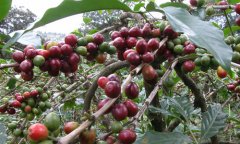
Brazilian coffee, the kingdom of coffee beans in the world.
Coffee location: Brazil is the world's largest coffee producer and exporter. Brazilian coffee is all Arabica. Brazil is famous for its high quality and strong flavor. Brazil is the world's largest coffee producer and exporter, known as the coffee kingdom. Coffee originated in Ethiopia in Africa and was introduced into Brazil in 1727. Brazil is located in the southeast of South America, in the tropics and subtropics

Coffee planting method-hanging ear coffee brewing method
Coffee planting method-hanging ear coffee brewing method climate factor is a prerequisite for coffee planting and growth. Coffee trees are only suitable for growing in tropical and subtropical areas between 25 degrees north and south latitudes, which are often referred to as coffee planting belts or coffee production areas. however, not all the land located in this area can produce excellent coffee trees. It is most suitable for coffee planting.

What kind of coffee tree is the gift from God? how many kinds of coffee tree are there?
Tasting coffee with excellent flavor, thinking about the issue of universal values, but forgetting the original appearance that was given by God, precious and needs to be cherished. Coffee beans are not born this way, they are crystallized through a lot of hard work. 1. Scientific name: coffe l 2, family name: Rubiaceae 3, genus name: coffee genus 4, origin: tropical and subtropical regions (Africa) 5, morphological features: characters

How to tell the robusta coffee beans? What are the characteristics of Robusta coffee beans?
Professional coffee knowledge exchange more information about coffee beans Please follow the coffee workshop (Wechat official account cafe_style) Coffee tree is a genus of Rubiaceae in botany. Coffee trees are native to subtropical Africa and some islands in southern Asia. In the 16th and 17th centuries, coffee was introduced into Europe through the merchants of Venice and the Dutch hegemony of the sea.
Drink and cherish how a good cup of coffee is made.
From a small coffee bean to a cup of strong coffee, how much manpower is involved and how many processes are involved? Today, let's take a look at the whole process! 1. Coffee trees are suitable for planting in tropical and subtropical areas. There are Yunnan, Hainan and Taiwan in China. The coffee we drink every day is grown on the coffee tree.

Coffee tree cultivation conditions
The coffee tree is native to Ethiopia in Africa. Coffee tree in botany, belongs to the Rubiaceae coffee subgenus evergreen tree, and generally known as coffee beans, survey is the coffee tree fruit seeds, only because the shape like beans, so called coffee beans. Climate is the decisive factor for coffee cultivation. Coffee trees are only suitable for growing in the tropics or subtropics, so latitude 25 from north to south

Guatemala Coffee Estate Flavor Introduction Guatemala Coffee Taste Latissa Estate
Guatemala is located in the tropics. The northern and eastern coastal plain areas belong to tropical rain forest climate, while the southern mountainous areas belong to subtropical climate. There are two dry and wet seasons in a year. The wet season is from May to October, and the dry season is from November to April of the following year. The central plateau is also the cultural center of Guatemala, where temperatures are mild all year round at 1300 to 1800 meters, with daily temperatures ranging from 18 to 28 degrees Celsius, and higher in January

The two most important coffee varieties in the world
Arabica coffee beans Arabica coffee tree plant morphology is relatively slender shrubs, leaves are oval, green, natural growth height generally up to 5-6 meters, artificial planting needs to control its height at about 3 meters, in order to facilitate future picking. Arabica coffee trees generally have a life span of 20-30 years.

Introduction to the price and taste of Liberian coffee beans
Liberica coffee, which usually grows on slopes about 200 meters above sea level, is not big, about 10 to 20 feet high. Lilika coffee is a kind of tree species with strong resistance to disease and environmental adaptability, so Liberica coffee can be grown in subtropics compared with other tree species. The most suitable temperature for growth is 19-27 ℃. Liberica coffee tree from the outside, it

In a world that consumes 1.5 billion cups of coffee a day, half of the arable land for coffee production will disappear by 2050.
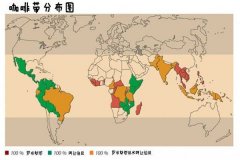
Half the coffee belt will disappear? The most popular beverage crop in the world can not grow everywhere. On the contrary, the growing area of coffee trees is very limited. Climate is the decisive factor in coffee cultivation, and coffee trees are only suitable for growing in the tropics or subtropics. The zone between latitude 25 degrees north and south is the most suitable for growing coffee. And this coffee production zone is generally called coffee belt or coffee.

Flavor description of Arabica coffee beans in Latin America introduction to the regional treatment of manor production
Flavor description of Arabica coffee beans in Latin America the planting of coffee trees is only the first step in coffee production. When the coffee fruits are ripe, they can be harvested through picking equipment. Two seeds (Arabica coffee beans) are then extracted from each berry. The last step is to roast coffee beans for consumption. This removes moisture and changes coffee.
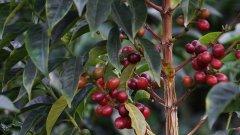
Types and characteristics of Coffee trees knowledge about Coffee trees
A single coffee tree but in places where coffee is artificially planted, people cut off the branches at the top of the coffee tree when it grows to three meters high, so that the coffee tree does not grow too high, so that it can be picked during harvest. According to the botanical classification, the coffee tree belongs to the domain: eukaryotic domain, Eukaryote kingdom: plant kingdom, Plantae phylum: angiosperm phylum, Magnoliophyta class.